
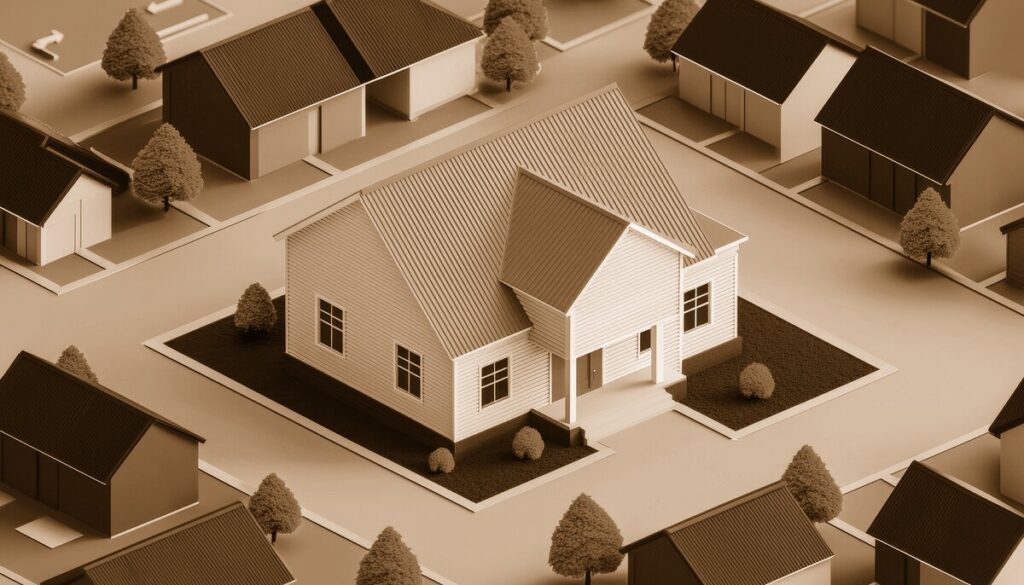
Nestled quietly in the shadow of the Whitestone Bridge, Malba is a tranquil enclave in northeastern Queens that boasts a storied past and undeniable charm. For over a century, this tiny neighborhood has offered residents sweeping views of the East River, grand tree-lined streets, and an air of genteel seclusion. As a longtime resident, I’m excited to take you on a journey through Malba’s rich roots, enduring landmarks, and the serene character that continues to define our riverside community.
The Birth of Malba: Vision and Origins
Malba’s beginnings stretch back to the turn of the 20th century, when a swath of farmland along the river—then part of College Point—caught the eye of ambitious developers. The land, historically owned by the estates of Francis Lewis (a signer of the Declaration of Independence and a local legend) and other notable figures, was ideal for a planned residential community.
The Malba Land Company was formed in 1908 with a vision to build a secluded neighborhood for New York’s elite, where large homes would rise along meandering streets shaded by mature elms and oaks. Unlike its neighboring districts, Malba was designed with intentional exclusivity: larger lot sizes, single-family zoning, and strict architectural guidelines quickly set it apart from the denser development patterns surging across Queens.
The Story Behind the Name “Malba”
Malba’s unique name is a twist of tradition and personal legacy. It’s actually an acronym formed from the first initials of the original founders' last names:
- McCollough
- Ashtown
- Lewis
- Beaty
- Adcock
The decision gave the neighborhood a distinctive identity—one that still puzzles new visitors but is a point of pride for those in the know. This creative naming roots Malba firmly in the story of the families and visionaries who first transformed this corner of Queens.
Key Historical Milestones
Malba’s development picked up swiftly after its founding, even as it remained strictly residential and shielded from the commercial bustle found just a mile or two away. Some hallmark moments include:
- Early 1900s: The first stately houses, many in charming Tudor and Mediterranean Revival styles, take shape along Malba Drive, 14th Avenue, and the looping streets that define the community’s core.
- 1930s: The completion of the Whitestone Bridge marks a new era of accessibility—but also reinforces Malba’s seclusion, as the bridge soars overhead and no major thoroughfares cut through the neighborhood itself.
- 1950s–1970s: As the rest of Queens experienced a postwar building boom, Malba remained delightfully unhurried thanks to its single-family home rules, voluntary homeowners’ association, and environmental protections.
- 1980s–Today: Renovations and new builds begin to appear, but always in harmony with Malba’s classic character. The spirit of the Malba Association, founded in 1922, thrives as residents continue to cherish and fight for the integrity of their unique neighborhood.
Notable Landmarks and Beautiful Streets
While Malba does not have commercial strips or high-traffic institutions, it is home to several understated treasures:
- Malba Drive and Summit Place: Two of the area’s prettiest stretches, lined with well-kept mansions and lush landscaping. Historic homes here often date back nearly a century.
- Francis Lewis Park: Though technically just east of Malba’s core (across the busy Whitestone Expressway), this waterfront haven is a favorite for residents. Named after Francis Lewis, it boasts panoramic river views, tennis courts, playgrounds, and shaded walking trails.
- The Malba Yacht Club: A private club that has been an anchor of Malba’s social life for generations. Overlooking the Harlem River, the club is a classic reminder of the neighborhood’s turn-of-the-century exclusivity and love of recreation on the water.
- Older Homes and Lanes: Stroll along 13th Avenue or stroll up Powell’s Cove Boulevard, and you’ll spot both architectural gems and careful landscaping that have helped the neighborhood maintain its elegant ambiance.
A Neighborhood Steeped in Tradition
Malba’s prestige has always attracted prominent New Yorkers, from business leaders to artists and even diplomats. Yet it remains grounded in the warmth of small-town rituals—block parties, garden tours, and holiday celebrations hosted by the steadfast Malba Association.
Times have changed since the days of its genteel beginnings:
- Original estates have receded slightly in grandeur, replaced or complemented by tasteful new homes reflecting contemporary styles.
- Residents today include commuters from Manhattan, families seeking tranquility, and long-time locals carrying forward Malba’s traditions.
- The association remains influential in guiding community development, supporting beautification, and advocating for strict zoning laws that keep out commercial encroachment.
Enduring Charm and Community
What makes Malba so special isn’t just its location or history—it’s the feeling as you wander under the old trees on Rosewood Street, or pause to watch boats drifting past Powell’s Cove. It’s the pride neighbors take in their gardens and the warm greetings exchanged at the Malba Association’s annual picnic. For many, Malba is the definition of a “best-kept secret”—a place where the city’s energy is at your fingertips, but peace and tradition reign supreme.
Whether you’re new to Queens or a lifelong New Yorker, Malba’s blend of history, natural beauty, and neighborly spirit stands out as a quiet jewel along the East River—a place whose legacy continues to shape the story of our borough.